

ORIGINS OF ISLAM https://youtu.be/BQr705wJJnY?si=ruPKG4oimGUMePrD


- The word "Islam" itself means "submission" or "surrender," and Muslims are called "Muslims" meaning those who submit to the will of Allah.
- This central theme is emphasized in verses such as: Quran 3:19: "Indeed, the religion in the sight of Allah is Islam (submission)".

Doctrines of Islam on God
- There is only one God (5:73; 112:1-4).
- God is called Allah by Muslims (5:73).
- Allah sees all things (40:20) and is present everywhere (2:115; 7:7).
- Allah is the sole creator and sustainer of the universe (3:191).
- Allah is not a Trinity but is one (5:73).
- Allah is all-knowing (2:268; 10:61) and all-powerful (6:61-62).
- Allah created the heaven and earth (2:29; 6:1, 73; 25:61-62; 36:81; 46:33).
Salvation and Judgment
- Allah will judge all people on the day of judgment (3:30; 35:33-37; 99:6-8).
- If your good deeds exceed your bad deeds and you believe in Allah and sincerely repent of sins, you may go to heaven (3:135; 7:8-9; 21:47; 49:14; 66:8-9).
- There is an eternal hell for those who are not Muslims, not practicing Islam, and are not of the true faith (3:77).
- Hell is a place of unlimited capacity (50:30) eternal torment (2:39; 14:17; 25:65; 39:26), fire (9:63; 11:16; 25:11-12; 104:6-7), with boiling water (38:55-58; 55:43-44), where skin is burned and renewed (4:56), for unbelievers (3:13; 19:49) and Jinn (11:119), with faces covered with fire (14:49-50).
- There is a tree in hell, named Tree of Zaqqum, from which bad fruit is given and the damned are forced to eat (37:62-67; 44:43-48; 56:52-55).
- Heaven (Paradise), a Garden (79:41) of bliss and fruit (69:21-24), has rivers (3:198), with maidens pure and holy (4:57), and carpets and cushions (88:8-16).
- There will be a physical resurrection of all people (19:93-95) on the day of judgment (3:77; 15:25; 16:38; 42:29).
- Judgment is based on a person’s sincere repentance (66:8-9) and righteous deeds (5:9; 24:26; 45:21-22; 64:7).
Other Doctrines of Islam
- There is an afterlife (2:154; 75:12).
- There are such things as angels, created by Allah, that are created from light. Angels are obedient slaves incapable of refusing to do Allahï’s will. The angel Gabriel brought the revelation of the Koran to Muhammad (2:97).
- The Holy Spirit is the angel Gabriel (2:97; 16:102).
- There is no actual verse where the Holy Spirit is said to be Gabriel or is identified as Gabriel. These verses show that both the Holy Spirit and Gabriel brought down the revelation.
- Jinn are unseen beings, created (51:56) from fire (15:27; 55:15) but are not angels. They have communities. There are good and bad Jinn.
- The Devil, called Iblis, (2:34) is a bad Jinn.
- Jesus was a great prophet but not the son of God (9:30), is not divine (5:17, 75), and was not crucified (4:157).
- Muhammad is Allah’s greatest and last prophet, and his message supersedes all other past prophets including Jesus.
- The Koran is Allah’s word. He literally spoke it to Gabriel who gave it to Muhammad.
- There are other holy writings, but they are superseded by the Koran.
- The other works are
- Torah–the First Five Books of Moses
- Injeel–the message that Jesus gave, written down, but no longer exists. The writings have been altered by scholars. Whatever agrees with the Koran is true.
- Zaboor–the Psalms Many Muslims also believe that the Torah and Zeboor have been corrupted too.
- The other works are
- Pre-ordainment (Qadar) is the teaching that all things, good and bad, are preordained to occur.
- Fasting is to be observed during the month of Ramadan (2:185).
- Drinking alcohol is forbidden (2:219; 4;43; 5:93-94; 16:67)
- Gambling is forbidden (2:219; 5:90-94).
- Man is made from the dust of the earth (23:12).
- There is no last-minute repentance (4:18). https://carm.org/islam/what-are-the-doctrines-of-islam/
- The Quran emphasizes the oneness of God (Allah), and Muslims are expected to worship only Him.
- Muslims are called to live a life of righteousness and justice, treating others with kindness and compassion, and striving for fairness in all aspects of life.
- The Quran encourages good deeds and actions that benefit others and society as a whole.
- Muslims are encouraged to strive for personal development, including spiritual, intellectual, and physical growth.
- Muslims believe in an afterlife where they will be judged for their actions in this life and rewarded or punished accordingly.
- Muslims believe in the prophets of God, including Adam, Noah, Abraham, Moses, and Jesus, and they consider Muhammad to be the last prophet.
- The Quran is considered the word of God revealed to Prophet Muhammad and is the primary source of guidance for Muslims.
- declaration of faith (Shahada),
- prayer (Salah),
- charity (Zakat),
- fasting (Sawm),
- and pilgrimage to Mecca (Hajj).
- Some scholars say the purpose of Islam is to build a good society, emphasizing the importance of social justice and fairness.The book of Islam is The Holy Quran or Koran.It has 114 chapters or Surahs.


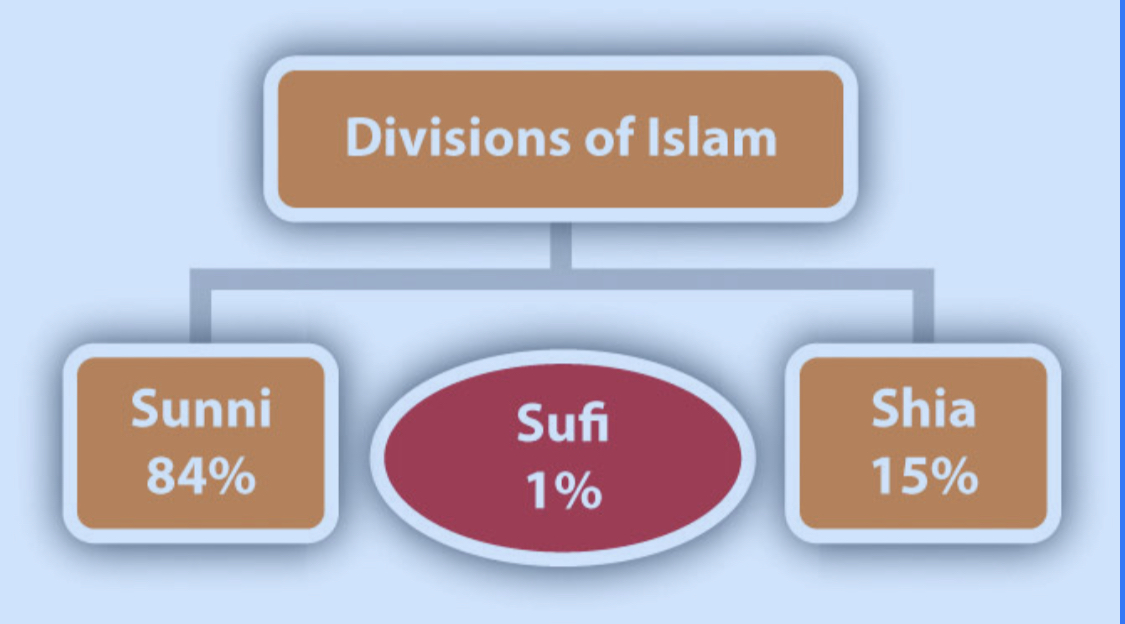
 SECTS OF ISLAM


THE GOAL OF ISLAM IS TO CONQUER THE WORLD BY MAKING ALL SUBMIT TO ALLAH! You either DO or DIE!?? https://tueseahkiong.blogspot.com/2025/03/blog-post.html?m=1
85% of the world’s refugees are Muslims but they do not seek asylum in the 56 Muslim countries.
Islam Basics https://tueseahkiong.blogspot.com/2025/03/according-to-quran-ultimate-goal-of.html?m=1
Islamic Jihad and Christian Crusades
https://tueseahkiong.blogspot.com/2021/07/islamic-jihad-and-christian-crusades.html?m=1 me
WOMEN before & after ISLAM came to their COUNTRY
https://tueseahkiong.blogspot.com/2025/12/countries-before-islam-iran-httpsyoutube.html
Blacks are still the #1 slave owners of other blacks today 2024 thanks to Islam since the 7th century.
Mohammed was a slave owner and modeled and encouraged slavery!
Who sold black Africans to white Europeans during the Atlantic slave trade?
Black Muslim Africans conveniently in north and west Africa.
Who still enslaves over 27 Million black Africans 2024 as the #1 Black SLAVE OWNERS?
Black Muslim Africans
https://tueseahkiong.blogspot.com/2022/03/black-slavery-exists-today-in-muslim.html?m=1
ARM: Always Ready Ministries
Apologetics
Mormons, International Church of Christ, Muslims, and Atheist. https://tueseahkiong.blogspot.com/2022/11/arm-always-ready-ministries.html?m=1
A Response to my Muslim friend's post, "Jesus Teaching vs. The Church" https://tueseahkiong.blogspot.com/2015/08/a-response-to-my-muslim-friends-post.html?m=1
Somalia is 99% Muslim for 14 centuries, yet their people are leaving the country for the USA and other western countries!? They should have the perfect conditions for HEAVEN ON EARTH since they have Allah's presence, 99% Muslim leading, directing the country towards poverty, crime, starvation....
Somalia’s Religion is Sunni Islam
https://tueseahkiong.blogspot.com/2025/12/somalias-religion-is-sunni-islam.html
Somalian Boast About Being a FREE LOADER off of Americans!
https://tueseahkiong.blogspot.com/2025/12/somalian-boast-about-being-free-loader.html?m=1
Somalian Single Mother Scam.
https://tueseahkiong.blogspot.com/2025/12/somalian-single-mother-scam.html




No comments:
Post a Comment